
Wolfe City, TX
Sewer Line Repair & Replacement
Sewer Problems Diagnosed & Fixed Right in East Texas
A damaged or blocked sewer line is a serious problem that needs immediate attention. Integrated Plumbing handles everything from sewer line inspections and repairs to full line replacements — keeping your home protected and your waste system flowing properly.
(903) 217-7209Get a Free Estimate
Describe your issue and we'll respond fast.
What's Included
- Sewer line inspection and diagnosis
- Sewer line repair (partial and full sections)
- Sewer line replacement
- Root intrusion clearing and repair
- Bellied or collapsed pipe repair
- Sewer line disconnection and reconnection
- Pre-purchase sewer inspections
- 1-year labor warranty on all work
Signs You Have a Sewer Line Problem
Multiple slow or backed-up drains throughout the house, gurgling sounds from toilets, sewage odors inside or outside, wet patches or unusually green grass over the sewer line path, and frequent drain backups are all warning signs. A sewer line problem left unaddressed can cause sewage to back up into your home — act quickly when you notice these symptoms.
What Causes Sewer Line Damage?
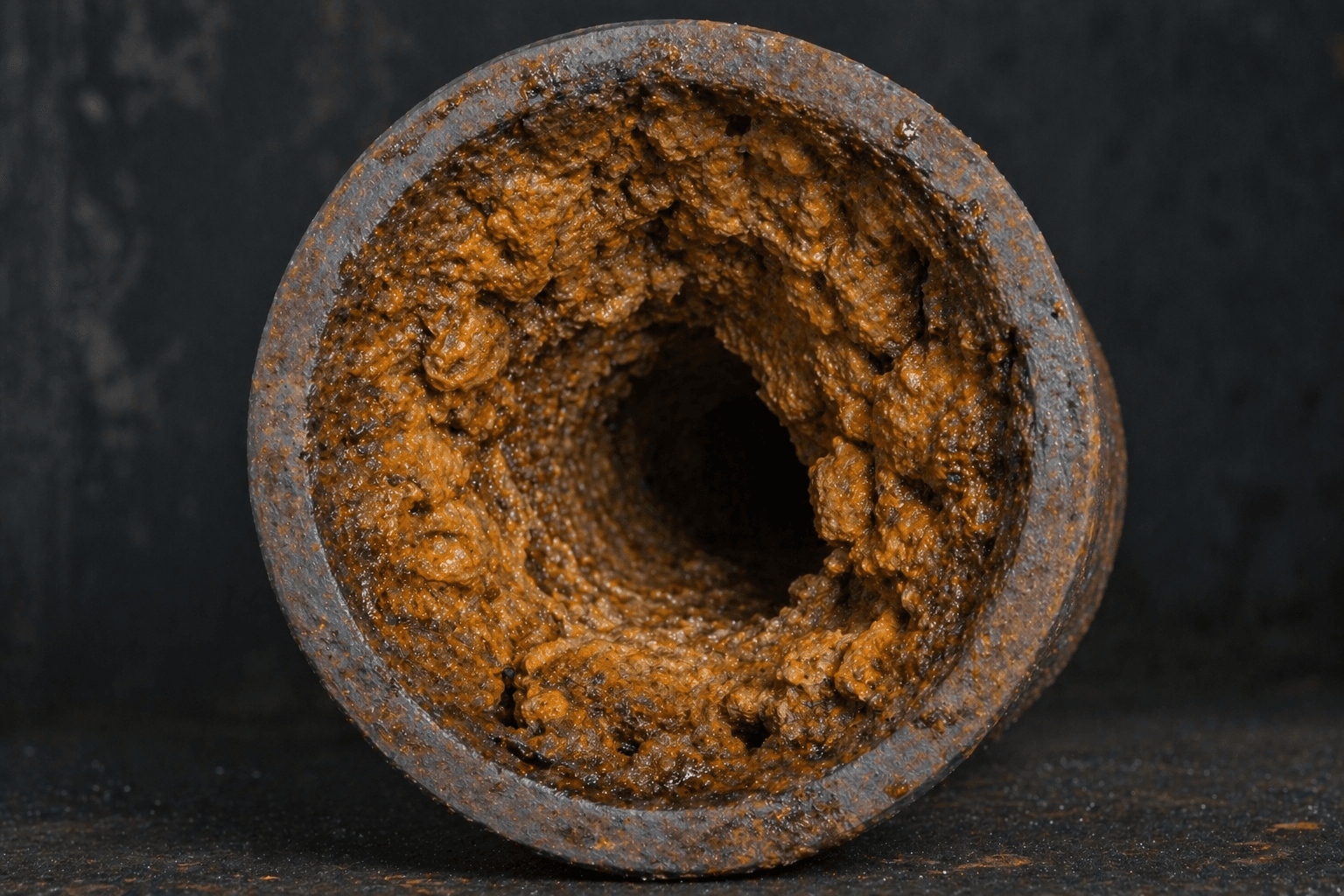
The most common causes are tree root intrusion (roots grow toward water and can crack and block pipes), pipe corrosion and deterioration over time, ground shifting that causes pipes to sag or separate, and grease or debris buildup. Older homes with cast iron or clay pipes are especially prone to these issues. We identify the cause and fix it the right way.
Sewer Repair vs. Full Replacement
Not every sewer line problem requires a full replacement. If damage is isolated to a specific section, a targeted repair is often sufficient and much less expensive. We'll always give you the most cost-effective solution that actually solves the problem — not the most expensive one.
East Texas Soil and Your Sewer Line
East Texas has a mix of clay-heavy and sandy soils that can be particularly hard on buried sewer lines. Expansive clay soil shifts with moisture changes — swelling when wet, shrinking when dry — which puts ongoing stress on pipes and joints over time. Combined with the abundance of large trees in the region, root intrusion is an especially common problem here. If your home is more than 20–30 years old and you haven't had your sewer line inspected, it's worth doing proactively. Catching a developing problem early is far less disruptive and expensive than responding to a full backup.
Pre-Purchase Sewer Inspections
If you're buying a home in East Texas, a sewer line inspection before closing is one of the smartest investments you can make. Standard home inspections don't typically include the sewer line, which means serious issues can go undetected until after you move in. A sewer inspection lets you see the condition of the line before you commit — and gives you negotiating power if problems are found. Integrated Plumbing offers pre-purchase inspections for buyers throughout our East Texas service area.
Frequently Asked Questions
How do I know if my sewer line needs repair or replacement?
That depends on the extent and cause of the damage. A targeted inspection helps us determine whether a repair to a specific section is sufficient or whether the whole line needs to be replaced. We give you an honest assessment based on what we find.
How long does sewer line repair take?
Smaller repairs can often be completed in a single day. Full replacements typically take 1–3 days depending on the length of the line, soil conditions, and access. We'll give you a realistic timeline upfront.
Is sewer line work covered by homeowners insurance?
It depends on your policy and the cause of damage. Sudden damage (like a pipe break) may be covered, while gradual deterioration usually isn't. We can document the work thoroughly to help with any insurance claims.
Can tree roots really destroy a sewer line?
Yes. Tree roots naturally seek out water sources and can infiltrate even tiny cracks in pipes. Over time they can completely block or break the line. This is one of the most common causes of sewer line failure in East Texas homes.
Do you do sewer camera inspections?
Yes. A camera inspection is often the most accurate way to determine the condition of a sewer line and pinpoint the location of damage. We use camera inspections for diagnostics, pre-purchase evaluations, and to verify the quality of a repair.
How deep is a typical sewer line?
Residential sewer lines in East Texas are typically buried 2–6 feet deep, though this varies depending on the age of the home and local installation practices. The depth affects how involved excavation work will be, which is one reason why an accurate diagnosis before digging matters.